Good to Know
Form follows availability


Buildings as raw material warehouses and furniture for rent: Thinking about architecture and design within the context of the circular economy leads to new, unconventional solutions. And it works, as examples from Germany and Switzerland show. The question remains whether circular design is also economically viable in the long term—and aesthetically compelling.
Text: Katharina Rudolph
In the past, it was common practice to reuse discarded materials. Even in ancient times, people used the terrazzo technique to create new flooring from stone scraps. Well into modern times, parts of ancient structures found their way into new buildings. For example, city walls were built from stones taken from Roman temples, and people lived in the ruins of the Theater of Marcellus in Rome. A final highlight of this practice was likely the construction of St. Peter’s Basilica, in which, for example, columns and marble slabs of ancient origin were used. “Even for purely pragmatic reasons, it never occurred to anyone to simply throw away a solidly crafted door, a functional window, or a stone threshold (…),” writes architectural historian Vittorio Magnago Lampugnani in his book with the telling title *Against Throwaway Architecture*. In the wake of industrialization, however, a transformation took place whose effects continue to shape construction to this day: Local craftsmanship gave way to factories, materials became cheaper, and a “make, take, waste” system took hold.

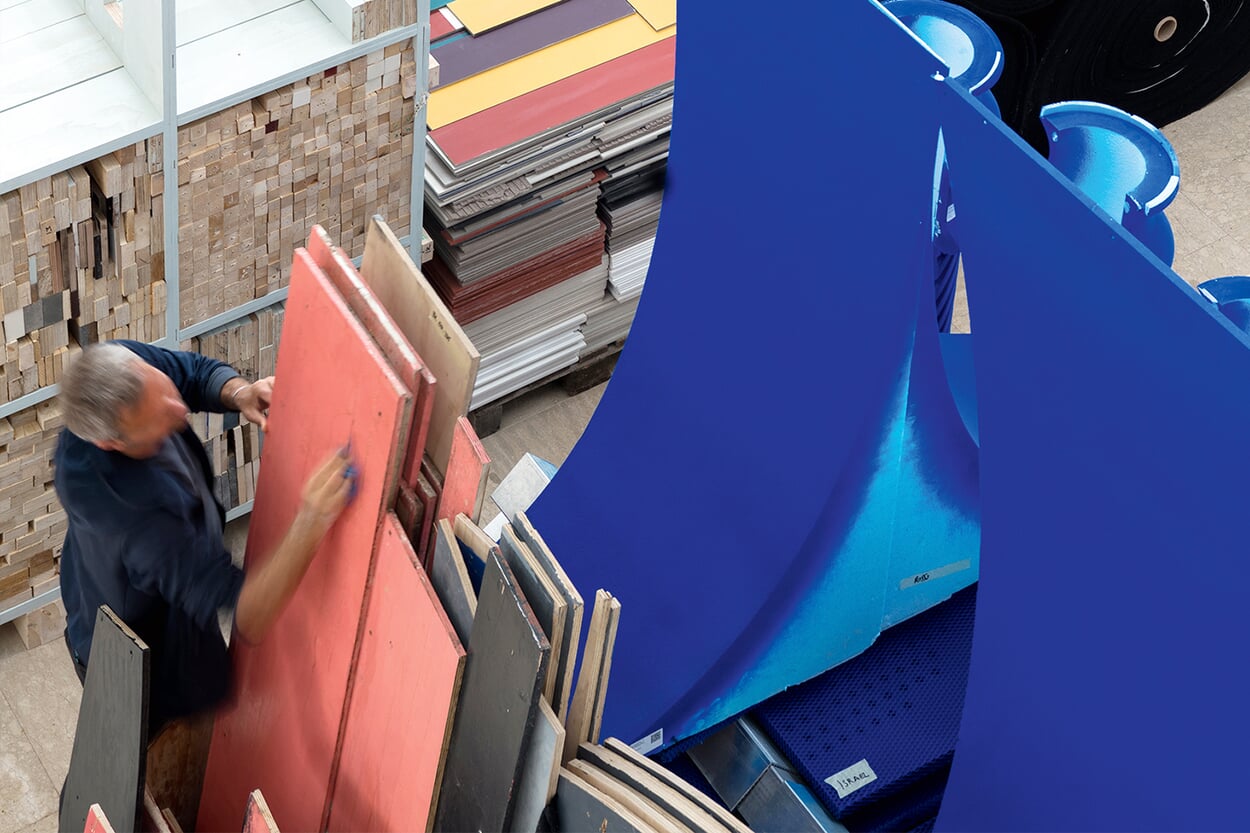
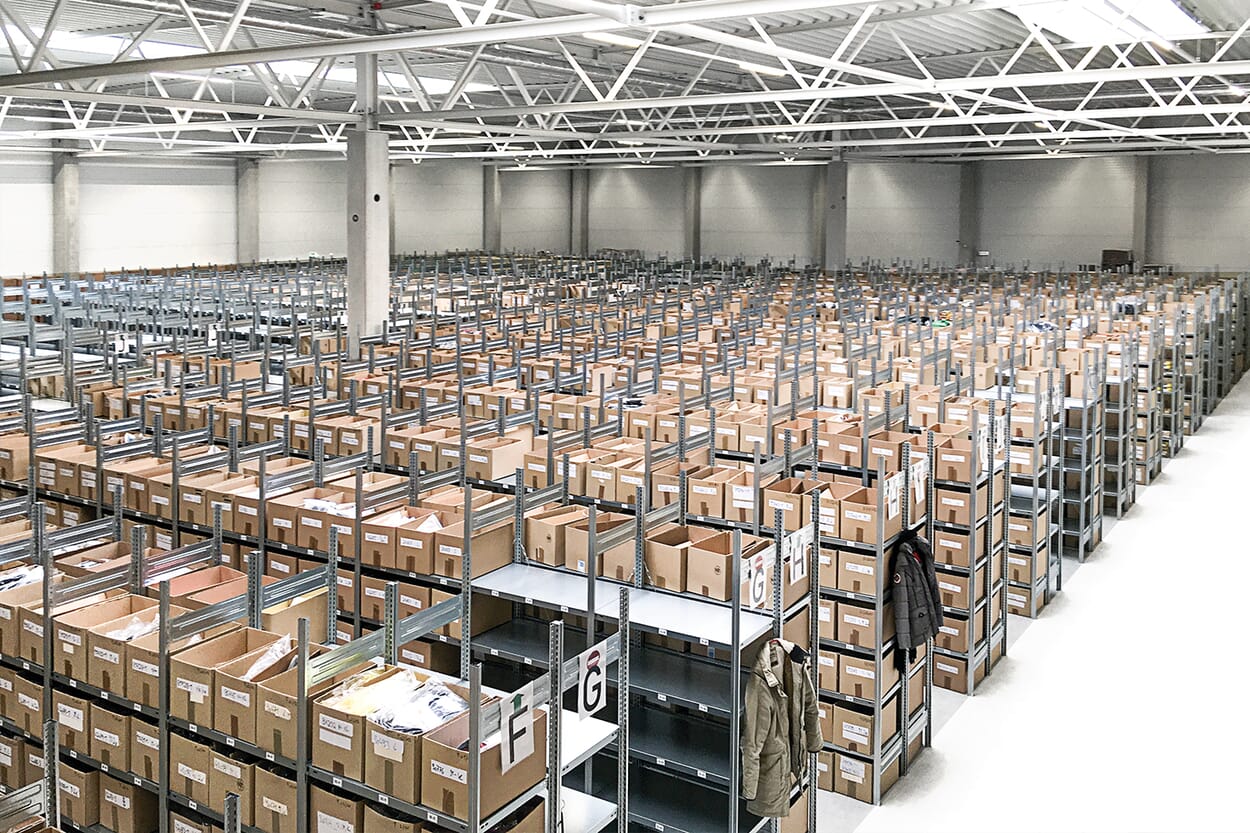
But where does circular construction stand today? Is it economically viable? And what about aesthetics when something new is created from what is supposedly trash? The topic took center stage, among other places, at the German Pavilion at the Venice Architecture Biennale in 2023. With “Open for Maintenance – Open Due to Renovation,” the curators presented a vision for the building culture of the future. During a collection drive, tons of leftovers from the previous Art Biennale were gathered—materials that would otherwise have ended up in a landfill: plywood, carpets, ventilation ducts. This stockpile of materials was used for the pavilion’s expansion and small-scale renovations at other locations in Venice. The young startup Concular handled the digital inventory of materials. Today, Concular is an indispensable player in this field. For example, the company searches buildings on behalf of public developers for reusable materials—from bathroom fixtures to doors and partition walls to reinforced concrete components. This data enables circular planning for renovations and new construction. For example, on the site of the former Berlin-Tegel Airport, where a new urban district will soon be built on 500 hectares. Concular is conducting life cycle assessments there and providing support for dismantling and reinstallation.
As a result, the construction sector is now, as is well known, one of the biggest drivers of the climate crisis. The construction and operation of buildings account for nearly 35 percent of global CO2 emissions. At the same time, huge amounts of waste are generated—in Germany, about two and a half metric tons of construction debris per person annually. Moreover, demolition is taking place at an almost manic pace: between 2007 and 2021, approximately 12,000 houses were demolished each year. And this is despite the fact that, according to estimates, several billion metric tons of material are contained in German buildings. Given the planet’s carrying capacity, what is needed is a radical shift—away from a linear, throwaway economic system toward a circular one that keeps everything in circulation. In circular construction and design, houses, building components, and materials are reused time and again. This reduces waste, conserves resources, and emits less CO2 into the air.

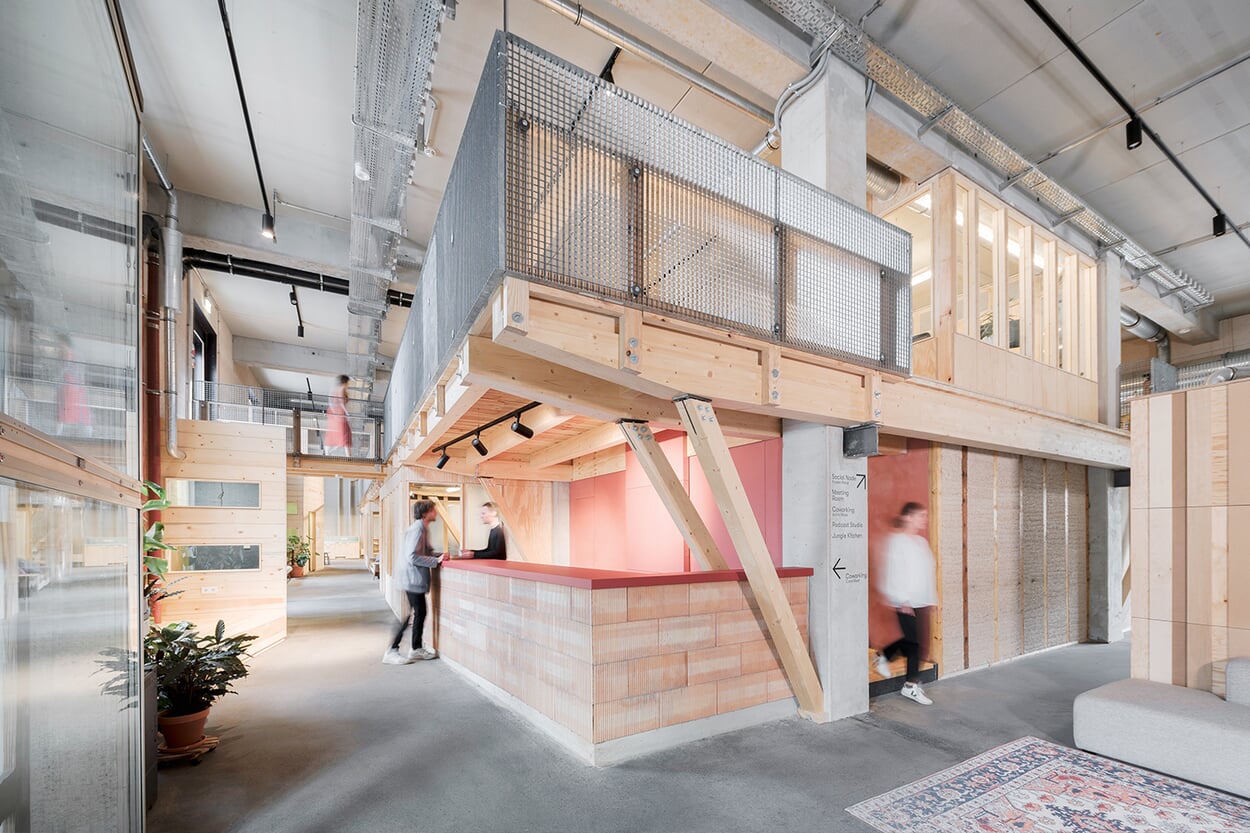
However, despite various pilot projects, circular construction is still in the experimental stage. Only one percent of materials from demolition are reused as-is, according to Dominik Campanella, co-CEO of Concular, and about 13 percent are recycled into equivalent products. Campanella has his office in the CRCLR building in Berlin-Neukölln, a pioneering project in which an old brewery warehouse was built over and transformed into a coworking space by the Berlin architecture firm LXSY. Seventy percent of the building components used are secondhand or made from renewable raw materials. The project incorporated grates from subway shafts and MDF panels from a techno club.
While circularity is already being successfully implemented in interior design—because the requirements for building components are less stringent and there are numerous secondhand products available—the hurdles for the buildings themselves remain significant. There is a lack of information on the materials used, legal incentives, and well-established processes. Economic viability also hinges on this. Circular construction requires extensive planning, and the challenges of sourcing components and logistics must be overcome. All of this leads to higher costs that not everyone can or is willing to bear. Nevertheless, circular construction offers economic opportunities. After all, couldn’t the economic logic shift in the long term? What if the value of a house were measured not only by the market but also by its potential for reuse? What if CO₂-intensive construction came with a fair price tag? What if urban mining reduced our dependence on global markets? And wouldn’t spending more money up front be a good investment if it led to lower costs later on—for example, through longer service lives? Dominik Campanella is convinced of the economic viability; he didn’t found Concular out of pure idealism, and after all, re-Used components are up to 30 percent cheaper than new ones. Denmark, for example, has long recognized the relevance of this issue and views it as an economic driver and an opportunity for new business models, such as in materials recycling.

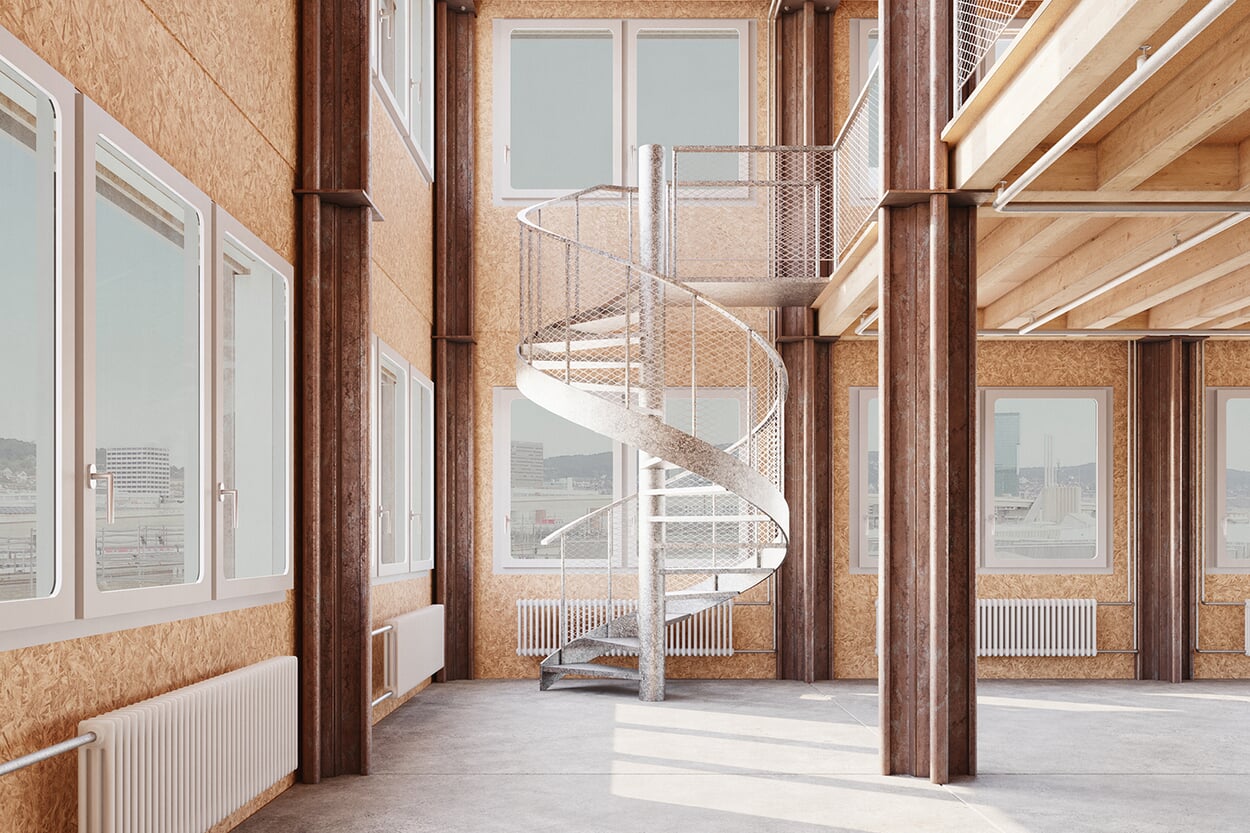
Switzerland is another country where groundbreaking developments are taking place in the construction sector. With “Building X,” a flagship project in Zurich, Gigon Guyer Partner Architects is focusing on a key lever for circularity: the building shell. This accounts for a large portion of a building’s mass and, consequently, its embodied energy. Swiss Federal Railways (SBB) had announced a competition for the new commercial building with strict CO2 requirements. The winning design stands out with a structural framework made from approximately twelve kilometers of reused railroad tracks! In addition, the project will feature a facade made of used corrugated fiber cement panels and over a thousand windows crafted from decommissioned train cars. Gigon Guyer Partner Architects were advised by the Basel-based engineering firm Zirkular, which specializes in circular construction.
But by no means can all materials be reused. Zirkular estimates that only about one-tenth of Switzerland’s total material needs could be met by reused building components. This is also due to the fact that, in the past, components were often joined together in such a way that they can no longer be separated by type. Circularity in architecture and design therefore also means thinking about deconstruction right from the design phase and planning so that everything can be easily disassembled into individual parts later on.

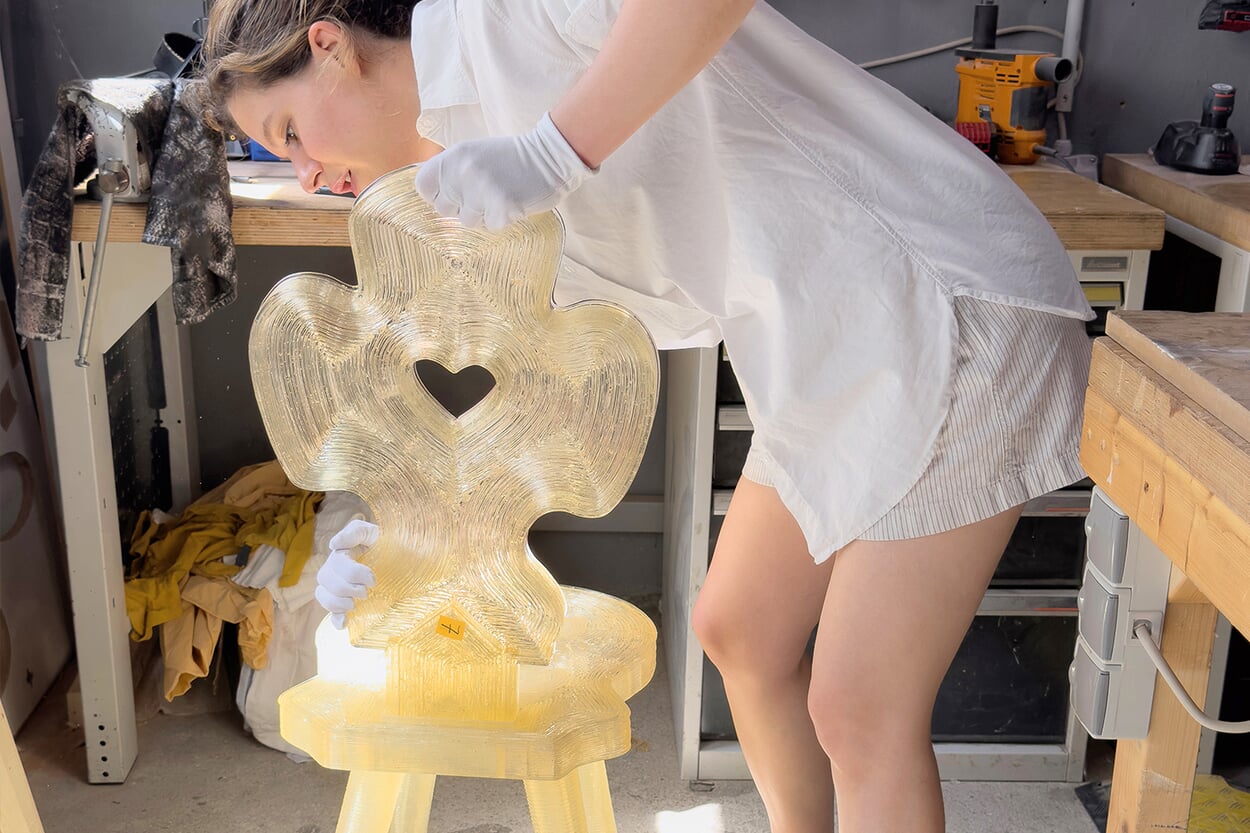
That’s why twin sisters Marie and Feline Grub decided to use a plug-in system for the prototype of their charming “Heimatlos” chair; nothing here is glued together. The inspiration for the design—which the founders of Em Ef Studio have just launched in a limited edition—was the “Brettlstuhl,” an icon of rural living culture. The individual parts of the Brettlstuhl were traditionally mortised, wedged, and slotted together. The Grub sisters are deliberately exploring traditional craftsmanship—and the question of how time-tested, often forgotten techniques can be carried into the future. What makes the “Heimatlos” chair special is that it’s 3D-printed—specifically from the bio-based plastic PLA. The younger generation of designers, in particular, thinks a lot about sustainability. There’s already a different mindset, says 36-year-old Feline Grub.
PLA is derived from renewable raw materials such as cornstarch or sugarcane and is therefore more environmentally friendly than petroleum-based plastic. However, biodegradable does not necessarily mean that a material simply breaks down. PLA only degrades reliably under certain conditions. Feline Grub collects all her 3D printing waste; she wants to return the material to the cycle. One option is a recycling plant in Braunschweig that collects 3D printing waste, shreds it, and processes it into new filament. Eighty metric tons of material were recently awaiting further processing in Braunschweig, with about a thousand packages of waste arriving each month. The young company was somewhat overwhelmed by this volume, which is why it has had to readjust its operations. This situation also highlights that circular processes must first be developed by all stakeholders.

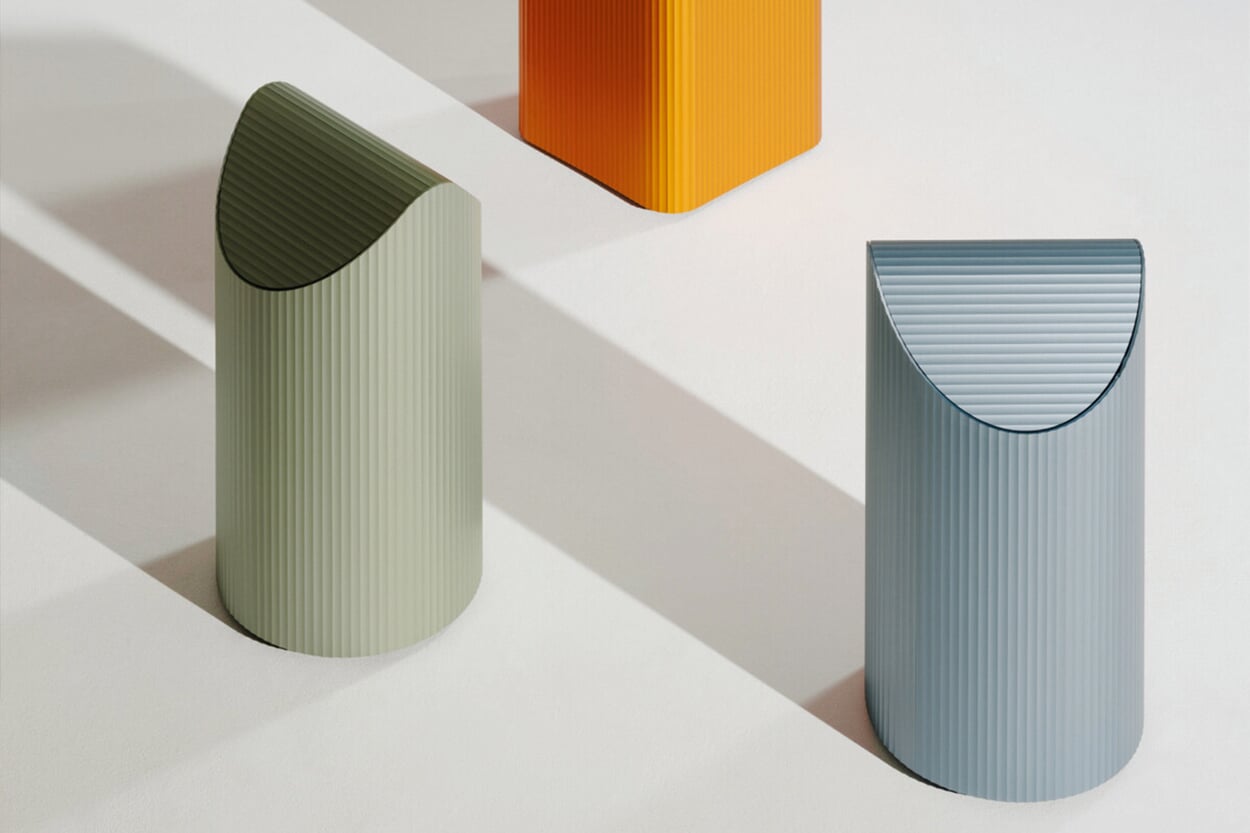
Designer Stefan Diez has been intensively exploring circular design for several years now. According to Diez, nearly all of his studio’s new products contain at least 50 percent recycled material and are fully recyclable. One of his more recent designs is the “Boss” trash can, made from recycled aluminum derived from so-called post-consumer scrap—that is, metal that has already been used and discarded. There’s a good reason why the aluminum industry, in particular, is exploring the potential of circularity: Conventional production is energy-intensive and harmful to the environment. In addition to issues like recycling and reparability, Diez is focusing his attention on sharing. This is also relevant because, according to the European Federation of Furniture Manufacturers, over 10 million metric tons of furniture waste are generated annually in the EU. Of that, only 10 percent is recycled! Couldn’t we simply lease furniture like cars in the future? “At the moment, the circular economy is, in a sense, shooting ourselves in the foot: the fewer new products you sell, the less you earn,” Diez said in an interview with the German Design Council. “The same applies to retailers and manufacturers, because our contracts are still rooted in a linear economic model. With a rental model, on the other hand, designers would be paid for as long as the product is rented out. The longer it remains in circulation, the more everyone involved benefits.” So, in design, too, we need not only circular products but entirely new business models.

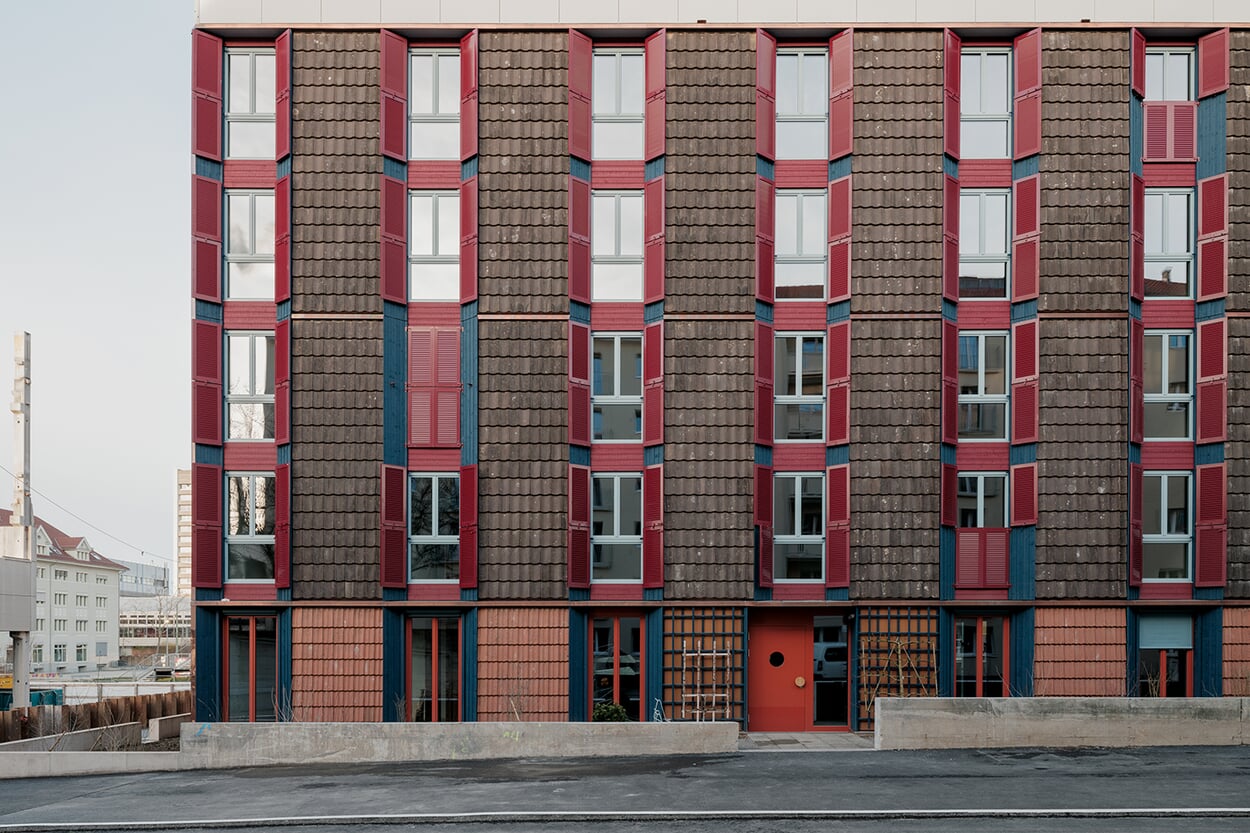
And what about aesthetics? The reuse approach is often relegated to the “eco-secondhand” corner. But the sleek “Boss” trash can really doesn’t look like something from a flea market. The Swiss Zirkular team likes to have people in buildings with reused materials guess which items are old and which are new. Most of the time, they’re just as likely to be right as they are to be wrong. It’s likely, however, that the circular economy will indeed bring about an aesthetic shift. After all, it’s not just about creatively working with what’s already there, but also about using eco-friendly materials like wood or clay and minimizing material consumption. All of this inevitably moves away from the high-gloss aesthetics of past decades. Yes, some things—such as the somewhat peculiar facade made of used bricks on the LysP8 residential building in Basel by Loeliger Strub Architektur—challenge our visual habits. Not everyone remains unfazed by this. Architectural critic Elias Baumgarten recently wrote that “backward-looking critics” long “for a romanticized past—as has so often been the case in architectural history, the visual arts, or literature. The more profound the change, the stronger the rejection and the idealization of earlier eras.” But the question arises: Is there even an alternative if architecture and design are to assume ecological and social responsibility? Perhaps it is worth approaching this transformation not so much with aesthetic resistance as with curiosity. The idea of “form follows availability” does not necessarily mean that everything will become ugly. On the contrary: it could also serve as a testing ground—one where the next generation, with a modest touch, finds new, elegant solutions.
Images: VIA Material, ARCH+/SUMMACUMFEMMER/BÜRO JULIANE GREB, Studio Bowie, Gigon Guyer Partner Architekten Zurich, Visualization Zuend, Em Ef Studio, Einar Aslaksen Photography, Federico Farinatti
Every beginning has an end
Recognizing that resources are finite: Circular concepts extend the lifespan of materials and products—through recycling and upcycling, through care and repair. Because we already throw away enough. Six examples from the “ MAGAZIN ” lineup: from a notepad made from waste to a lamp with replaceable LEDs.
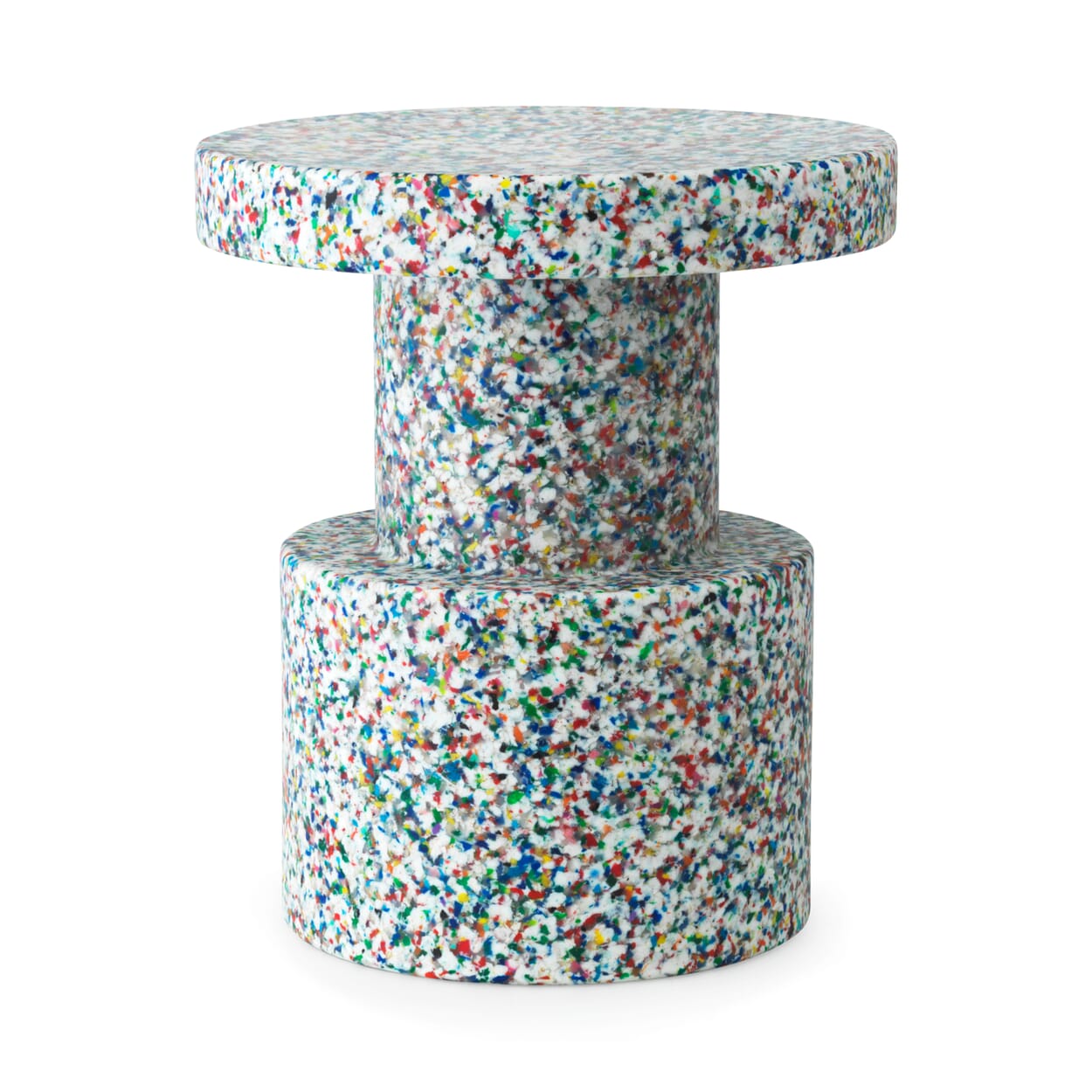
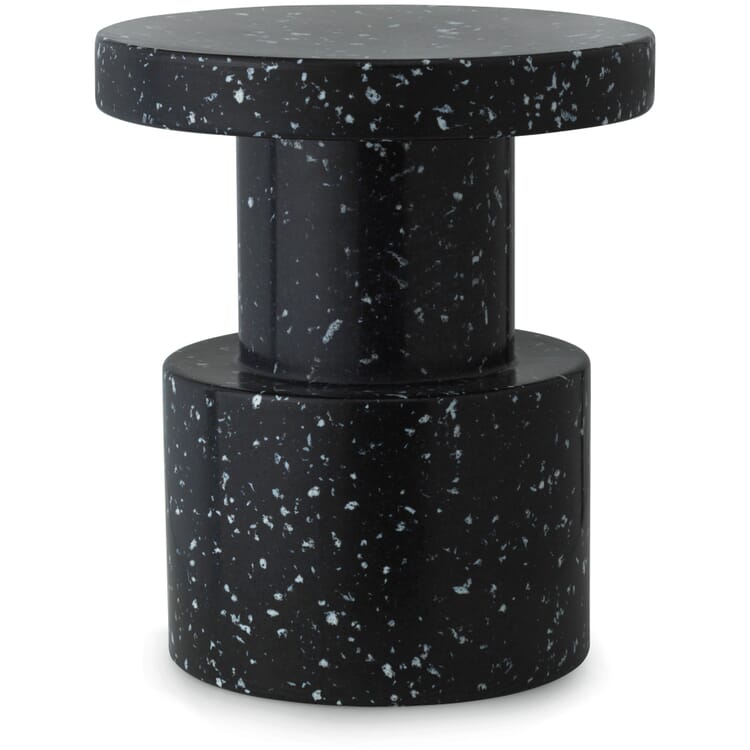
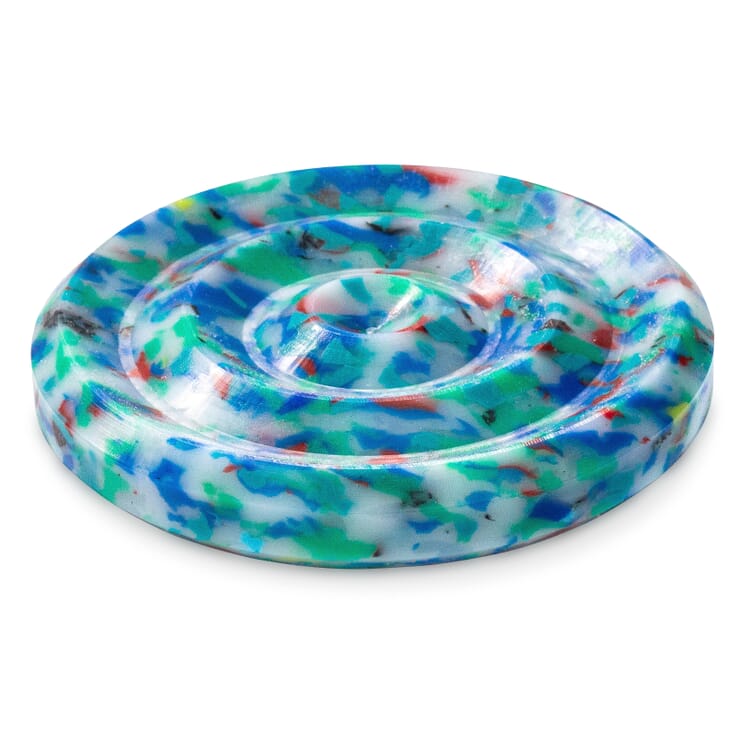
Circularity is meant to be seen. The intricate pattern of the BIT stool celebrates the material it’s made of: recycled, post-industrial polyethylene. This is plastic waste generated during industrial production. Although it is sorted, it is never as pure or perfect as new material. These terrazzo-like irregularities have an aesthetic all their own, one that has recently become more common in plastic products—and which makes every BIT one-of-a-kind.
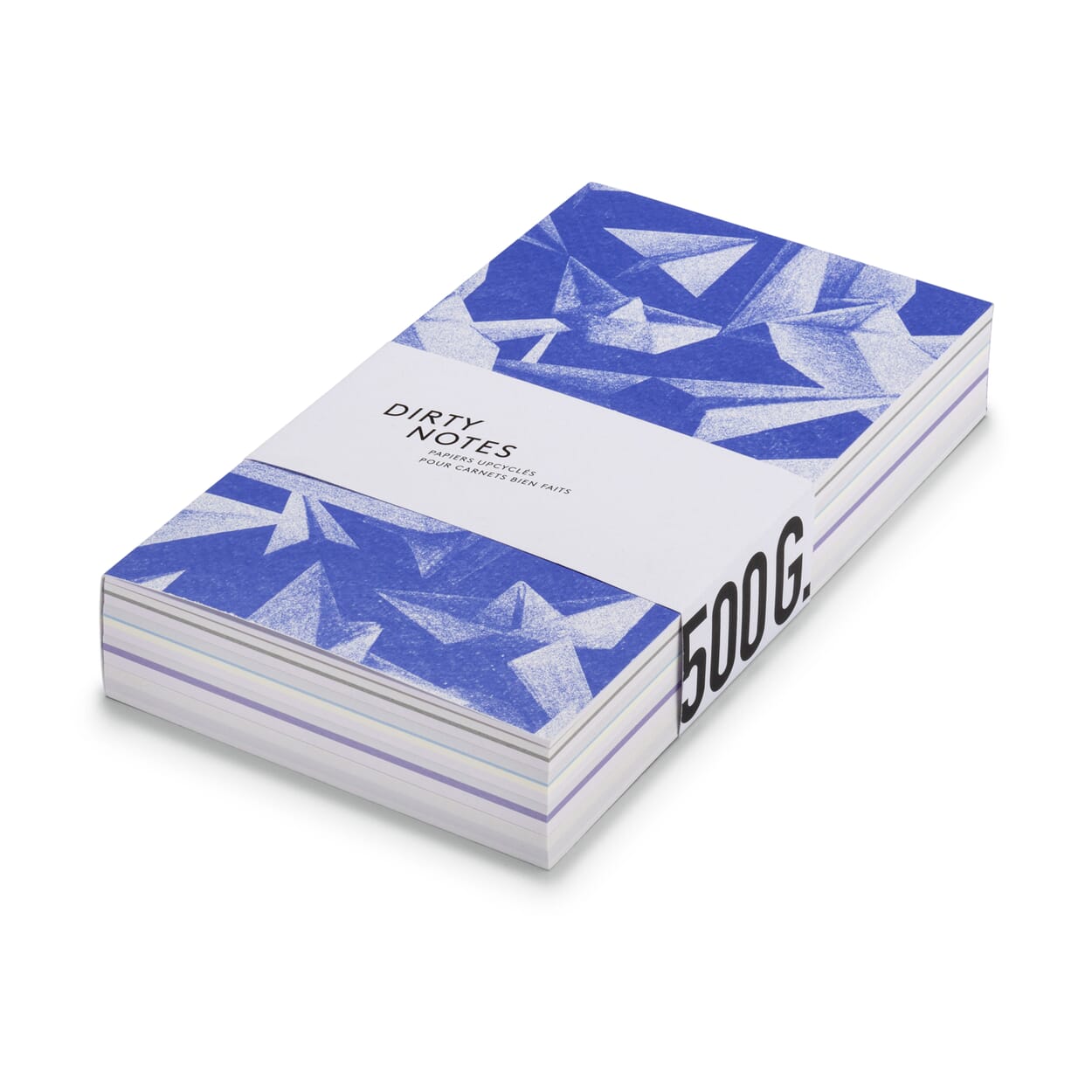
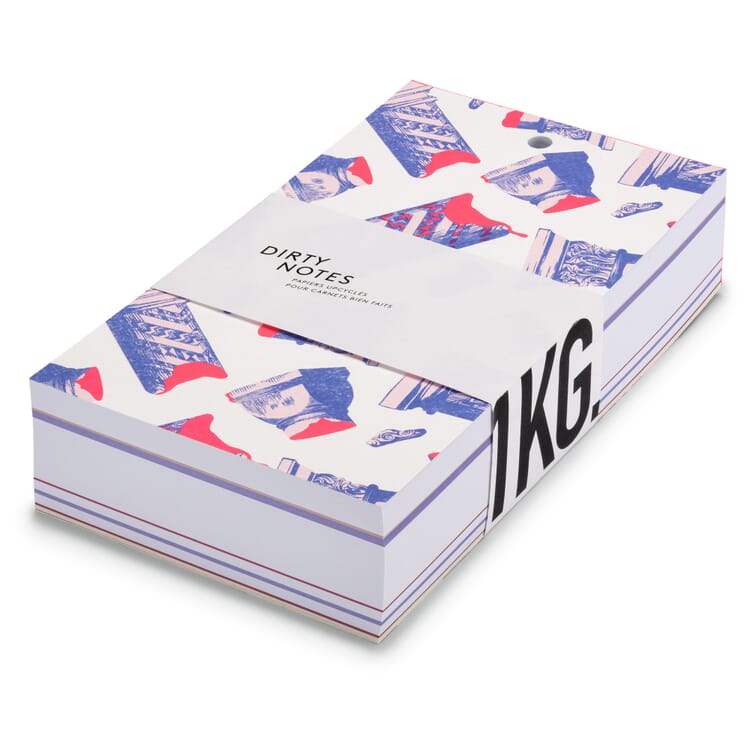
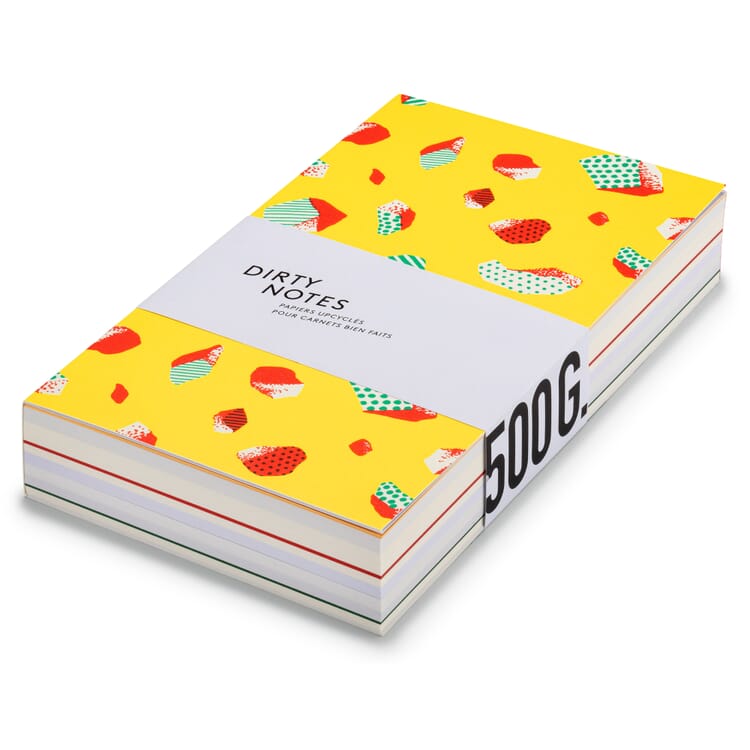
DIRTY NOTES, too, make no secret of their origins in waste. The pages of the notepads are locally produced from unused waste paper, printing scraps, overproduction, and single-sided sheets—collected from businesses in the Greater Paris area and sorted and bound by hand in the city of Pantin, northeast of the capital. As a result, almost every sheet is different—and even shopping lists and to-do lists become little surprises.
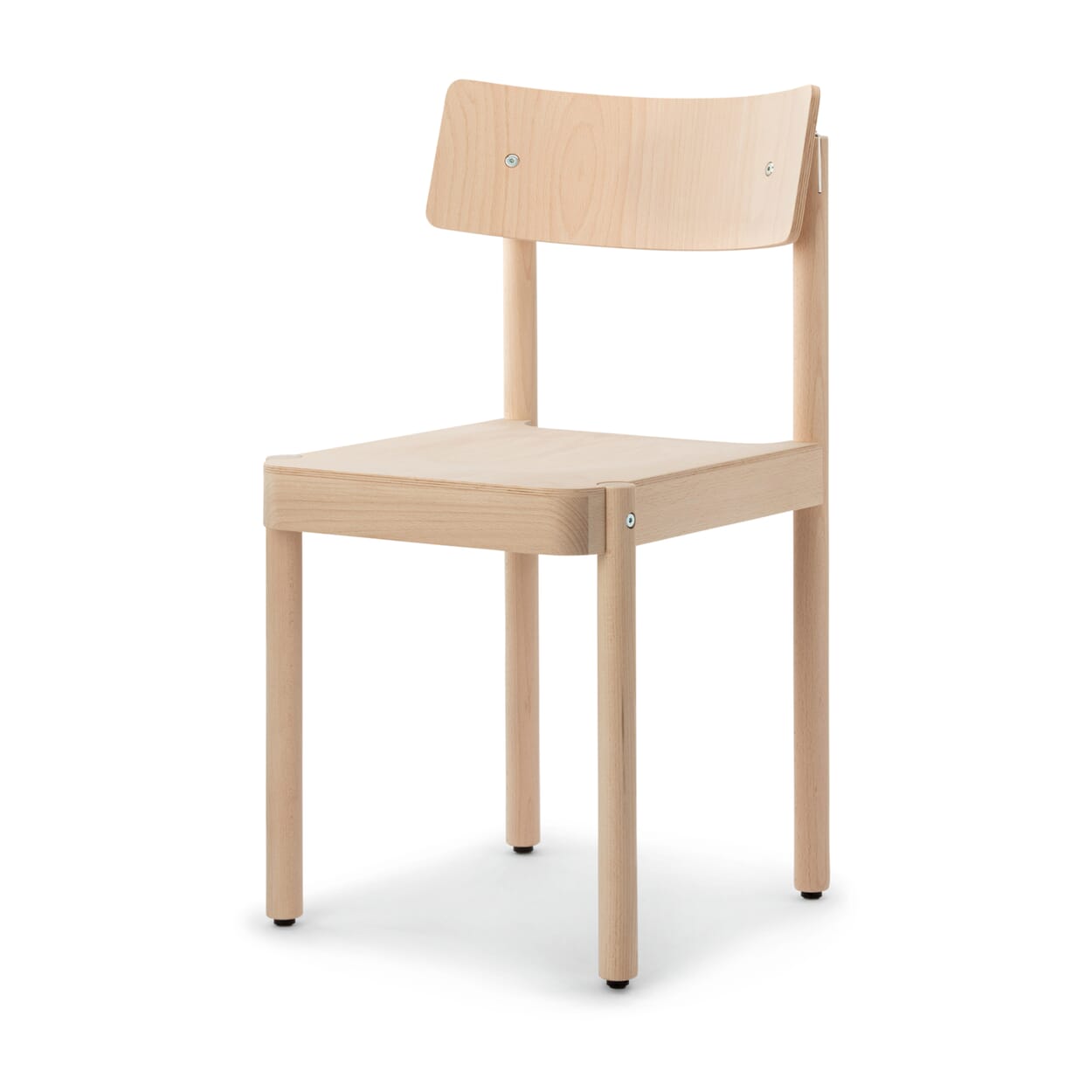
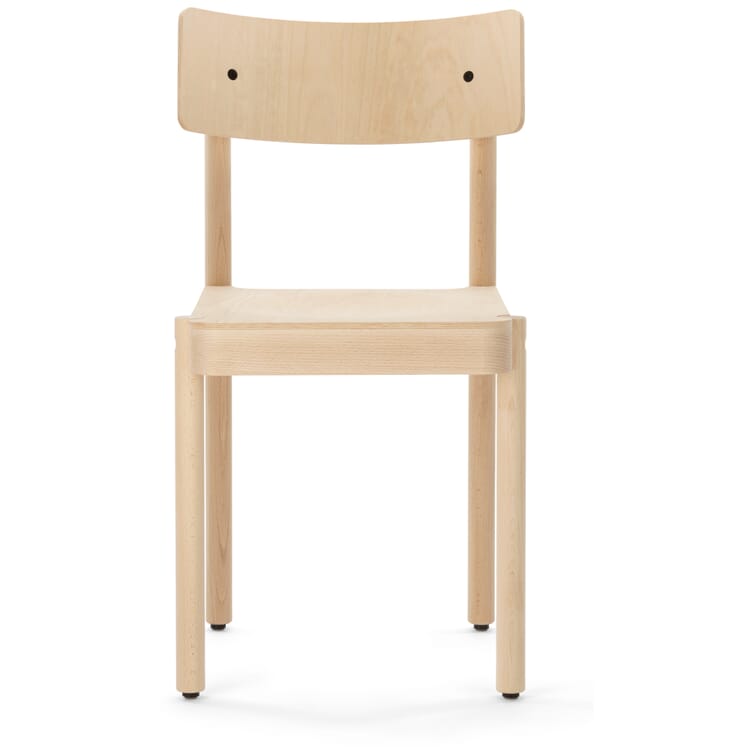
A sturdy wooden chair usually lasts forever. Who even thinks about what happens at the end of a chair’s life? With the EINSER, however, it’s clear: Thanks to easily accessible screw joints, the “ MAGAZIN ” product can be easily disassembled into its individual parts, and the version made of untreated beech wood can also be recycled without any problems. But that’s hardly something its owners are likely to worry about, because—as mentioned above—a chair like this lasts forever, after all.
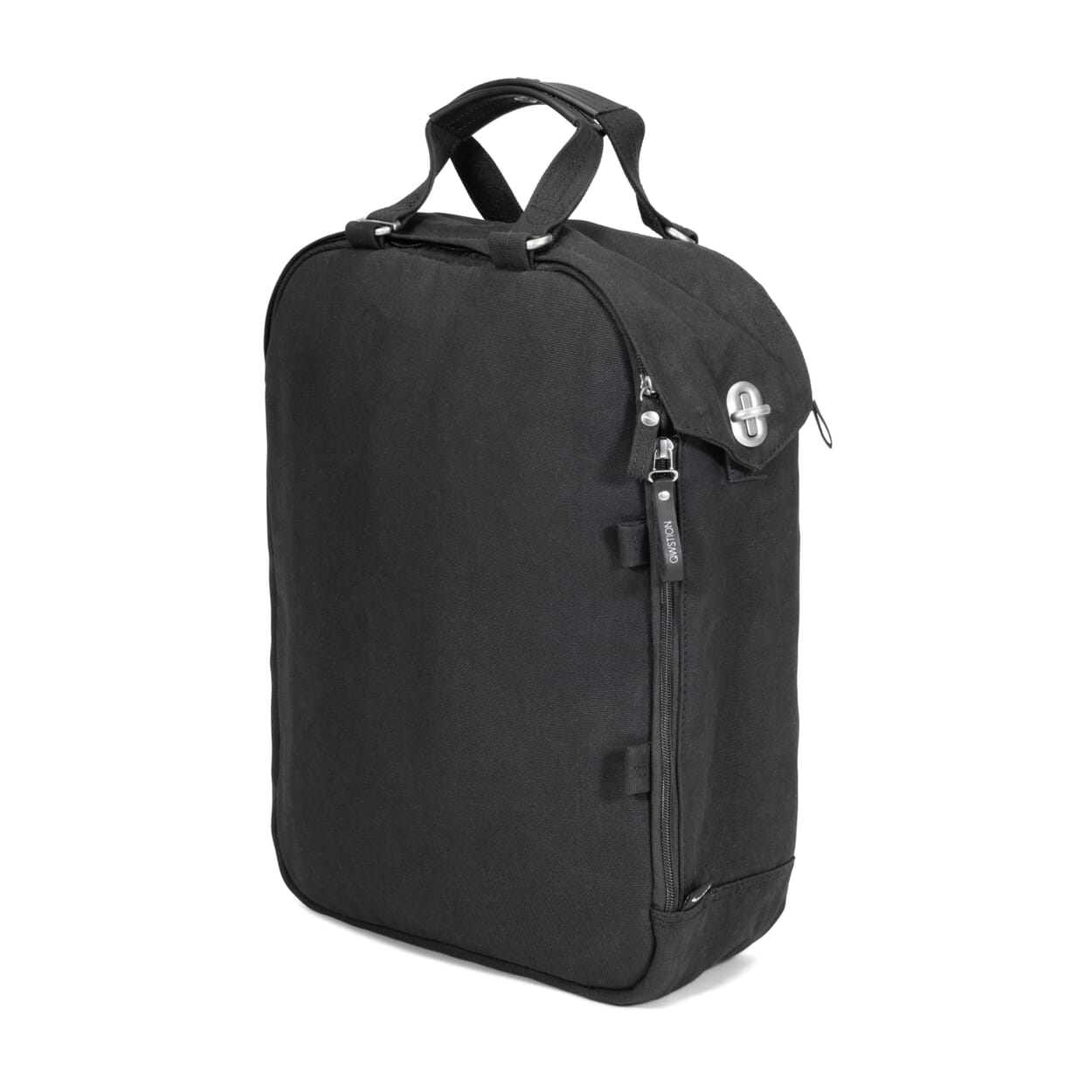
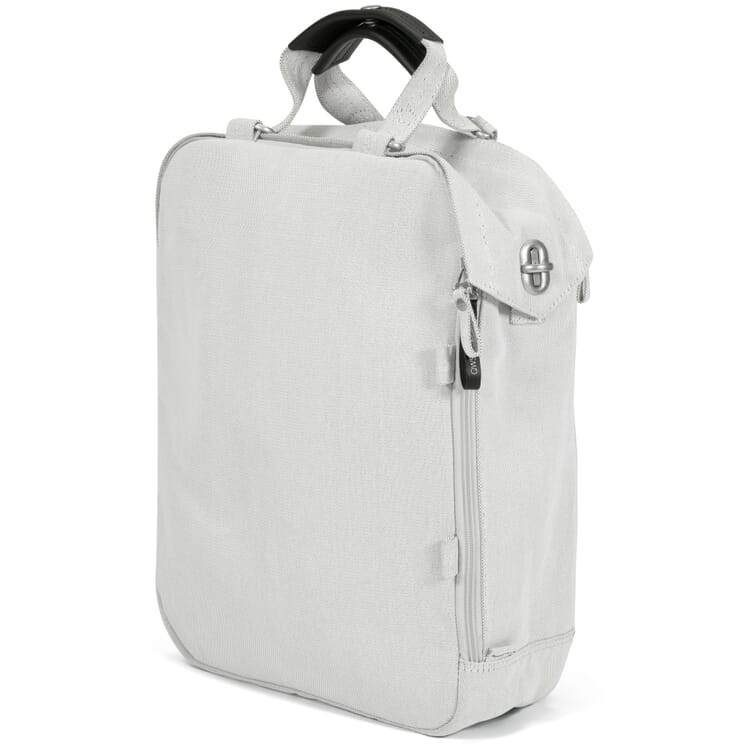
Nature is the unrivaled master of the circular economy: Everything grows, withers, decomposes, and becomes fertile ground for new life. The Swiss brand QWSTION follows this example—with its proprietary Bananatex fabric, made from the fibers of the abaca banana. The DAYPACK made from this fabric is durable and water-repellent thanks to a beeswax coating. And—aside from the leather and metal parts, which can be easily cut off—it is completely renewable.
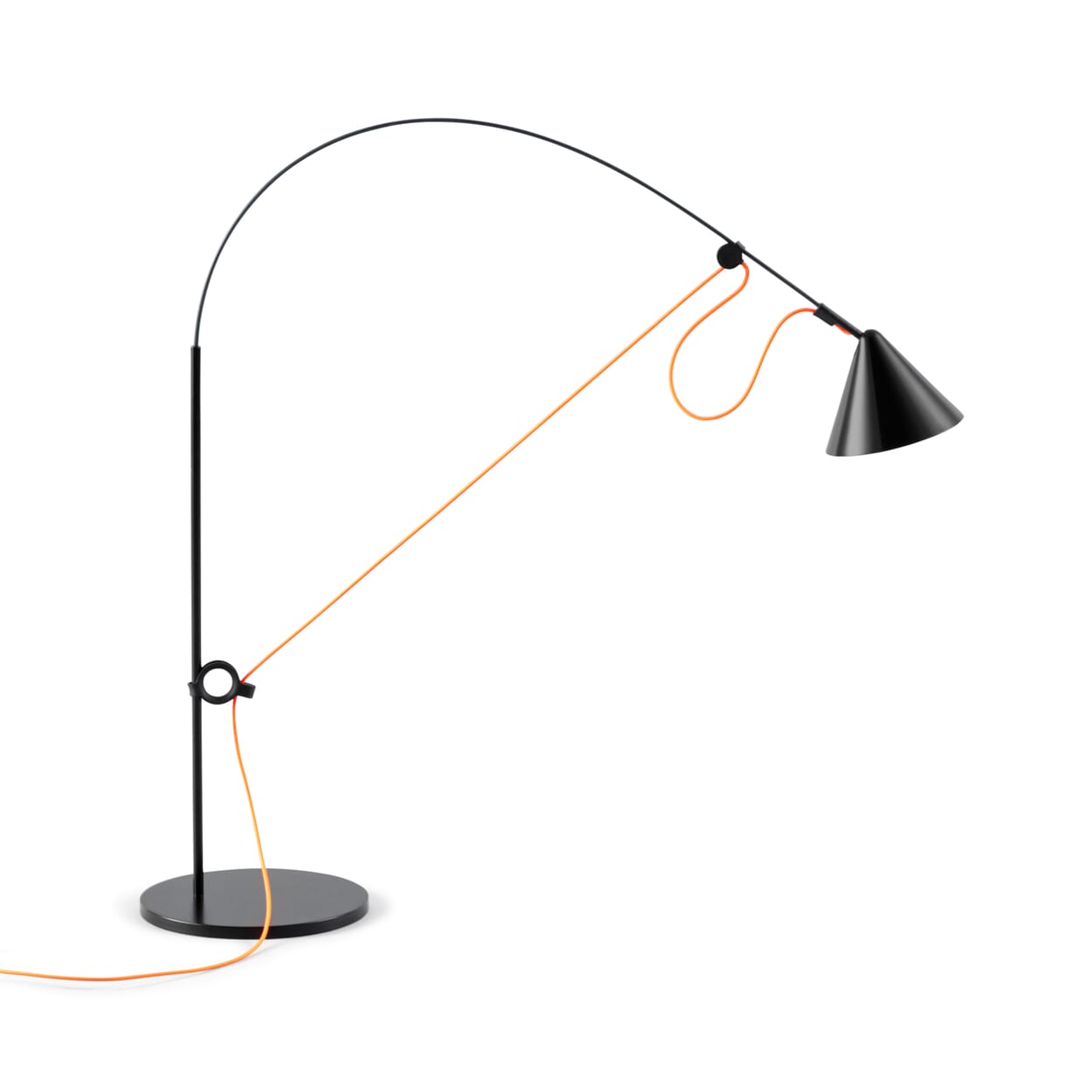
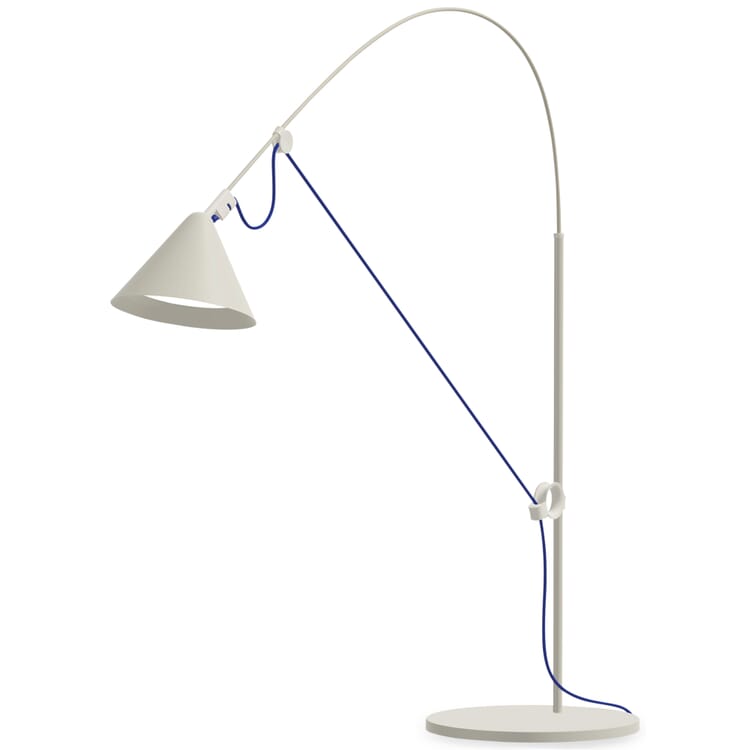
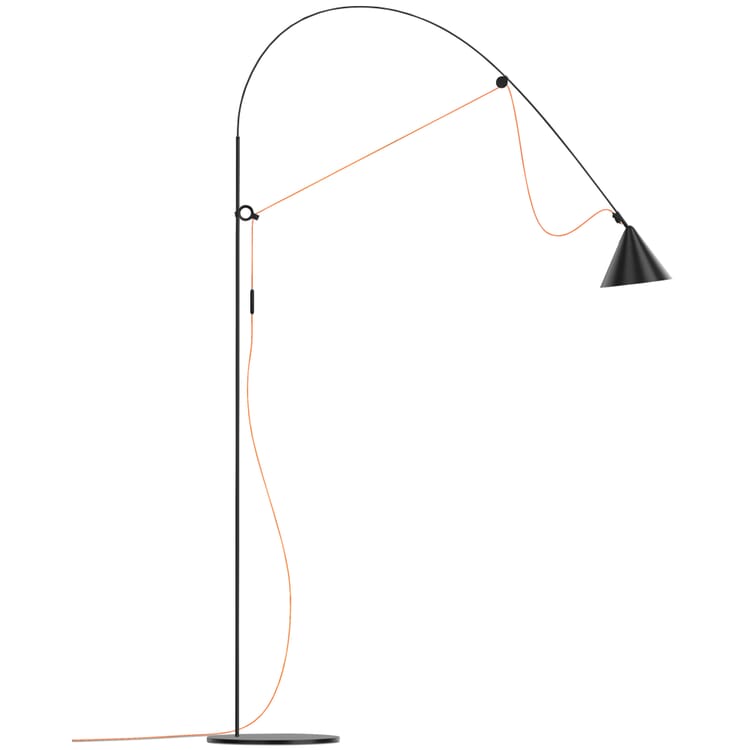
In the age of LEDs, lamps have become disposable items: firmly glued together and packed with electronics, they make repair or recycling impossible. AYNO was intended to be the antithesis of this trend, and so the models in this lamp family consist of just a few materials, most of which are recycled or recyclable. The lights can be taken apart; even the light bulbs and transformer can be easily replaced.
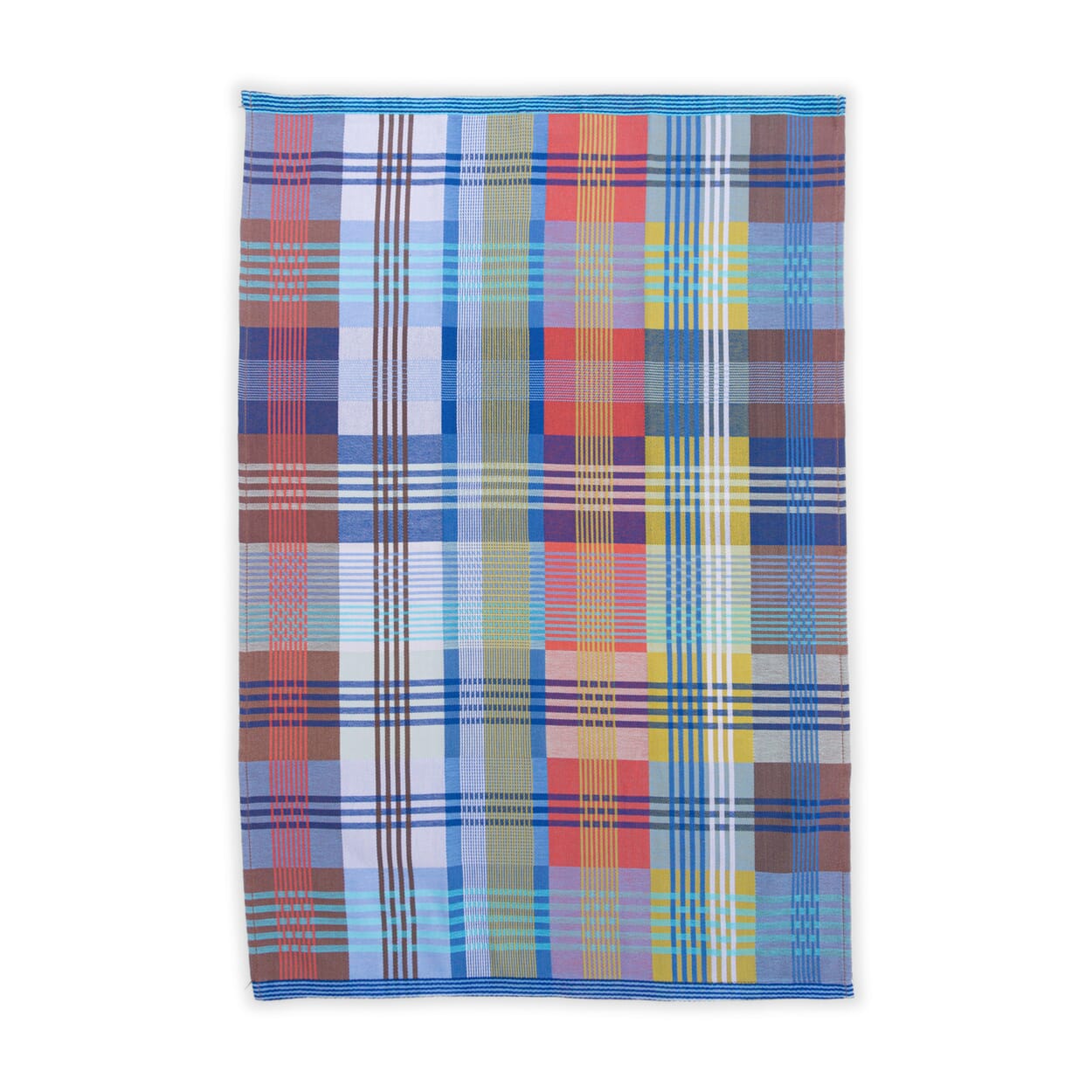
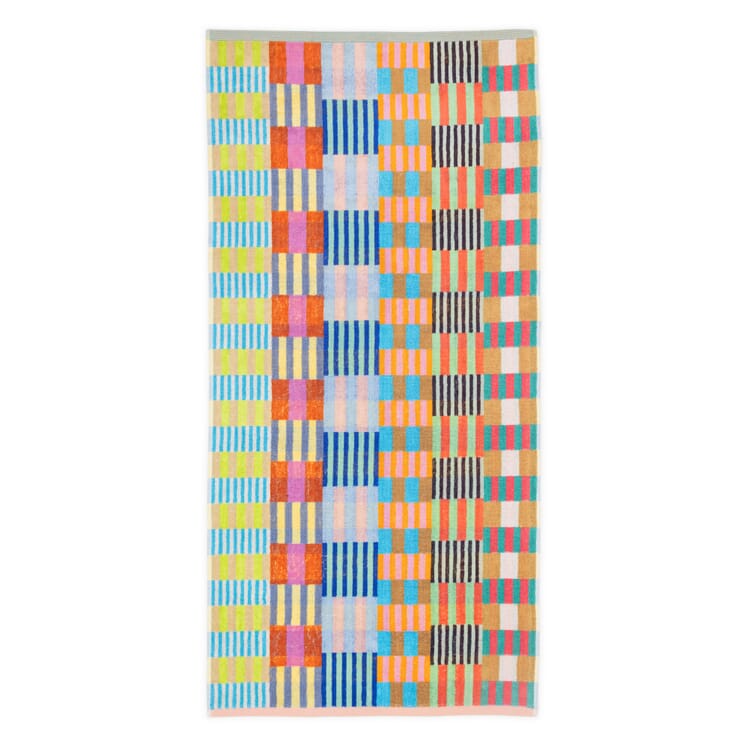
Hardly anyone can resist the charm of ODDS & ENDS’ multicolored home textiles—which makes it all the more wonderful that the graphic patterns actually result from a classic use of fabric scraps. Surplus cotton yarns from textile production are collected, sorted, and combined in ever-changing ways depending on the quantity of each color. Towels, bath mats, and dishcloths are woven on Jacquard looms in Portugal.






More recycling and upcycling

















Read more
Reusing and upgrading old light fixtures: Interior designer Sabine De Schutter is an expert in circular lighting. In this interview, De Schutter talks about cheap, poorly made products and why true sustainability goes far beyond energy efficiency.
After more than thirty years as an independent designer, Konstantin Grcic has moved into manufacturing with the brand 25kg. We spoke with Grcic about his fascination with industrial processes, the eye of MAGAZIN, and why he doesn’t have scratches and discoloration removed from 25kg products.
From a craft workshop to an industrial enterprise: Julius vom Hofe, based in Lüdenscheid, manufactures sheet-steel storage systems that reflect the high standards of the company’s origins as an artistic blacksmith’s shop.