Designers & Manufacturers
“I never wanted to do this”


After more than thirty years as an independent designer, Konstantin Grcic has made the leap to becoming a manufacturer with the brand 25kg. Starting now, three of the products—THING_01, THING_03, and THING_04—are available not only in the 25kg online store but also at MAGAZIN. We spoke with Grcic about his fascination with industrial processes, the aesthetic of MAGAZIN, and why he chooses not to have scratches and discoloration removed from the 25kg products.
Text: Jasmin Jouhar

If you think back to when you founded your studio: Was it easier to be a designer back then than it is today?
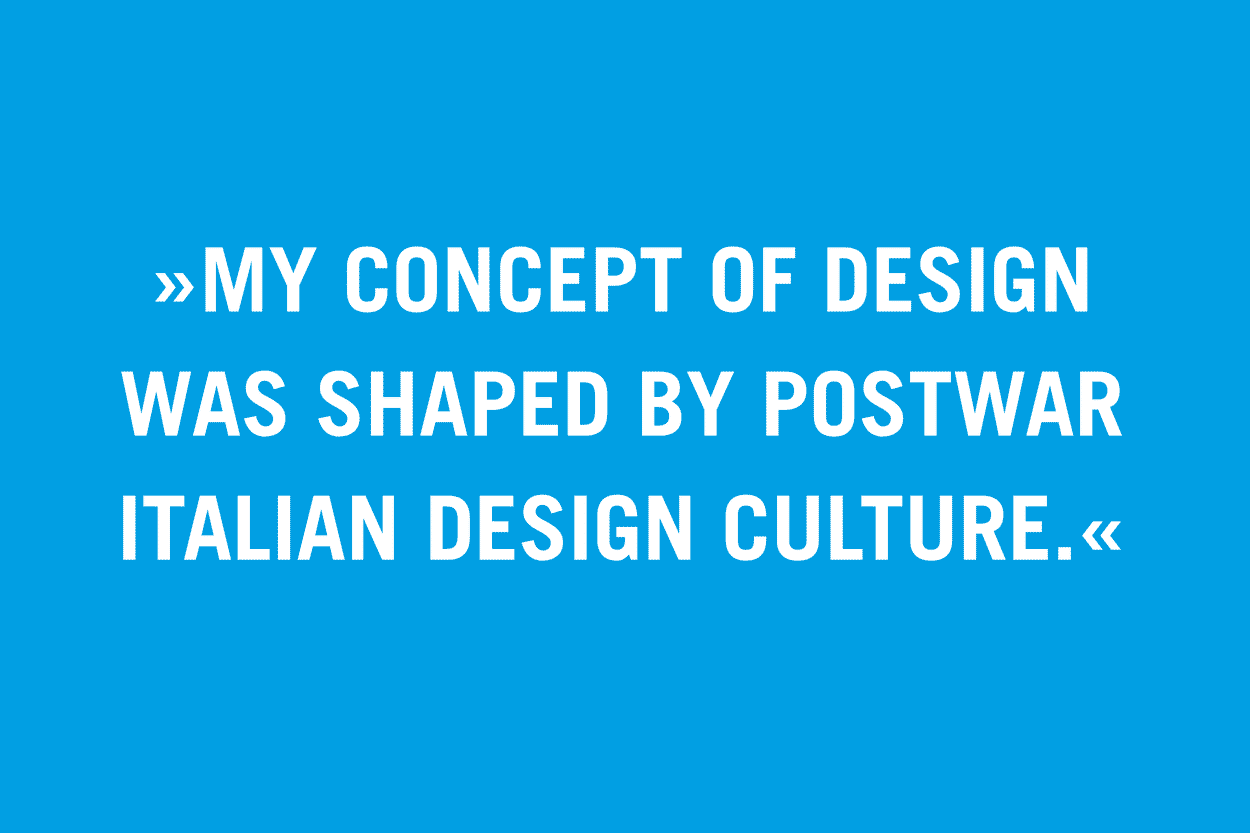
Back then, it was easier to visualize what that meant; there was a clear perspective. Today, there are many perspectives. My idea of design was shaped by postwar Italian design culture and by designers who created for industry. What I wanted to do was always connected to industry. It started back when I was an apprentice carpenter. I was more interested in the circular saw—as a way to produce things quickly and consistently—than in fine craftsmanship.
What excites you today?
Right now, we’re in crisis mode. But we’ve been there before. Looking back—perhaps in twenty or thirty years—we’ll think, “That was actually an incredible time.” Because so much has changed. And within that change, things are possible for the first time. When I started looking for my own role models, I was always envious of those who could do something for the very first time. A simple example: the first steel-tube furniture.
Is that also one of the reasons why, after more than thirty years as a designer, you founded a brand and became a manufacturer? Something you never wanted to do.
That’s right, I actually never wanted to do that. My role models were always designers who were free and independent. One exception: Ingo Maurer, who was both a designer and a manufacturer—and on a world-class level at that. I was lucky enough to know him and see what that meant: to design, to run a company, to be part of the industry, and to be an artist all at the same time. I always thought that was so unique—something I couldn’t do. But in recent years, a lot has changed—the circumstances in which we live and work. A desire has grown within me to do something I haven’t yet experienced. Without wanting to wallow in nostalgia: In the early years of my self-employment, things were extremely direct, so tangible, so clear. Back then, there was a sense of being able to create something out of necessity and with a directness that I’ve lost over the years. I don’t want to turn back the clock, but the question is whether I can achieve that clarity and simplicity with my own company.

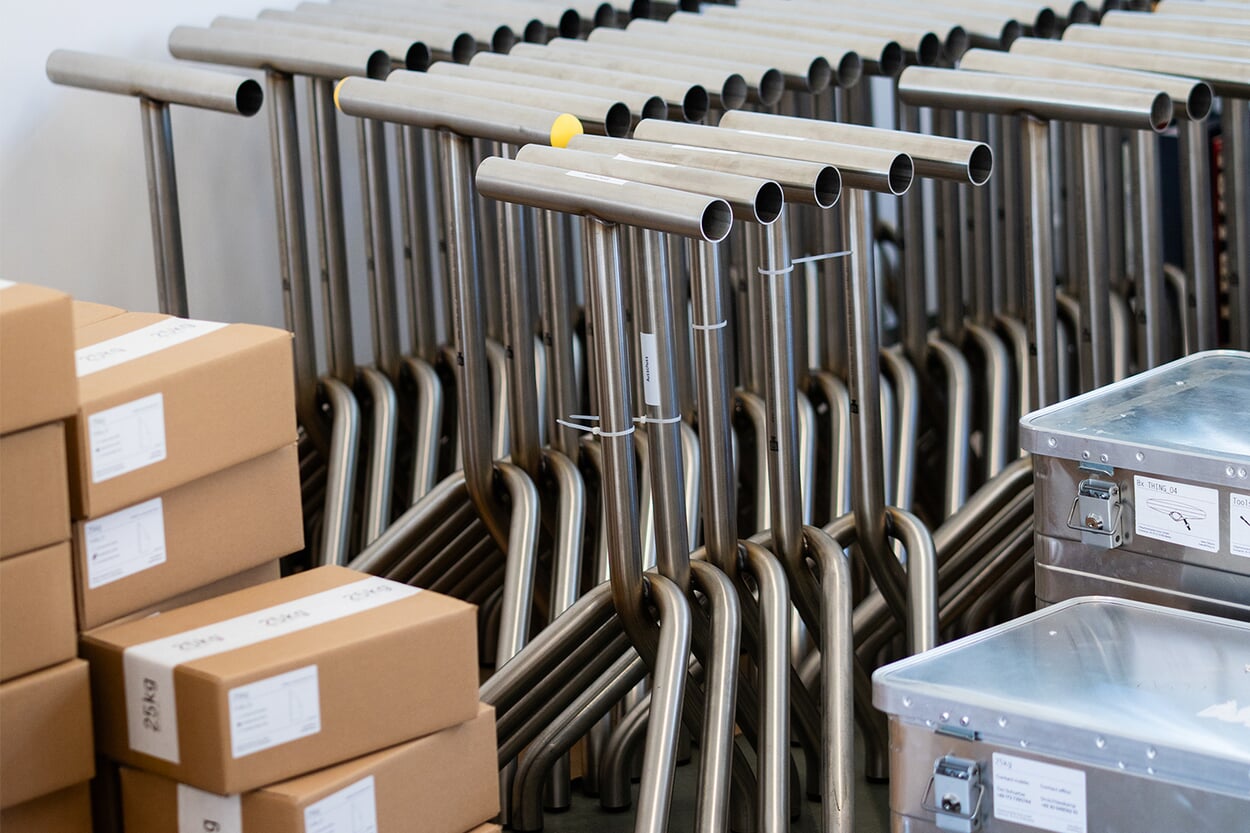
All 25kg products are called THING, combined with a sequential number.
We’re used to IKEA giving names to its furniture. But coming up with a name is difficult, if only because many are legally protected. That’s why the products are called THING and are numbered sequentially.
The first product, THING_01, serves as the reference for all subsequent products.
Yes, everything that 25kg is all about is encapsulated in that. It’s reduced to its essence. Radical in the sense that you can’t go any simpler. Less than just what you sit on, but also less in terms of the structure that makes the thing stable. Everyone understands how it works. Everyone also understands how comfortable—or uncomfortable—it is, because everyone has sat on a railing tube at some point. It can’t be compared to a padded bar stool. But you don’t always need one of those; sometimes a mobile piece like this is better. You can pull it over, sit down briefly, stay mobile, and get back up. 25kg has a distinctly industrial approach; we don’t produce limited editions or one-of-a-kind pieces. THING_01 is made of stainless steel, with no manual finishing. I had to instruct the manufacturer: Take the tube as it comes. Cut it to size, weld it, and you’re done. The discoloration on the weld seam can stay. The scratches on the tube can stay—more scratches will be added anyway. This thing is meant to be used—and that comes with signs of wear.
Did you also offer THING_01 to any of the brands you work with?
The design actually emerged from working with a manufacturer, as a kind of standing-sitting aid. It was about so-called “agile offices,” where you don’t sit continuously at one workstation but are constantly on the move. I knew that this manufacturer—and others, too—wouldn’t be able to bring the project to life. That’s not a criticism—I understand why it’s not feasible. The market is too small, and the radical nature of the concept would require a major shift in thinking. But that doesn’t mean such ideas aren’t relevant or that there isn’t a niche of users who could make use of them. I see the opportunity for 25kg precisely in this niche. And now, a year and a half after founding the company, I can confirm: This niche is making itself known—there’s attention, interest, and real-world applications. But I’m continuing to collaborate with companies in the industry; that’s now running parallel to 25kg.

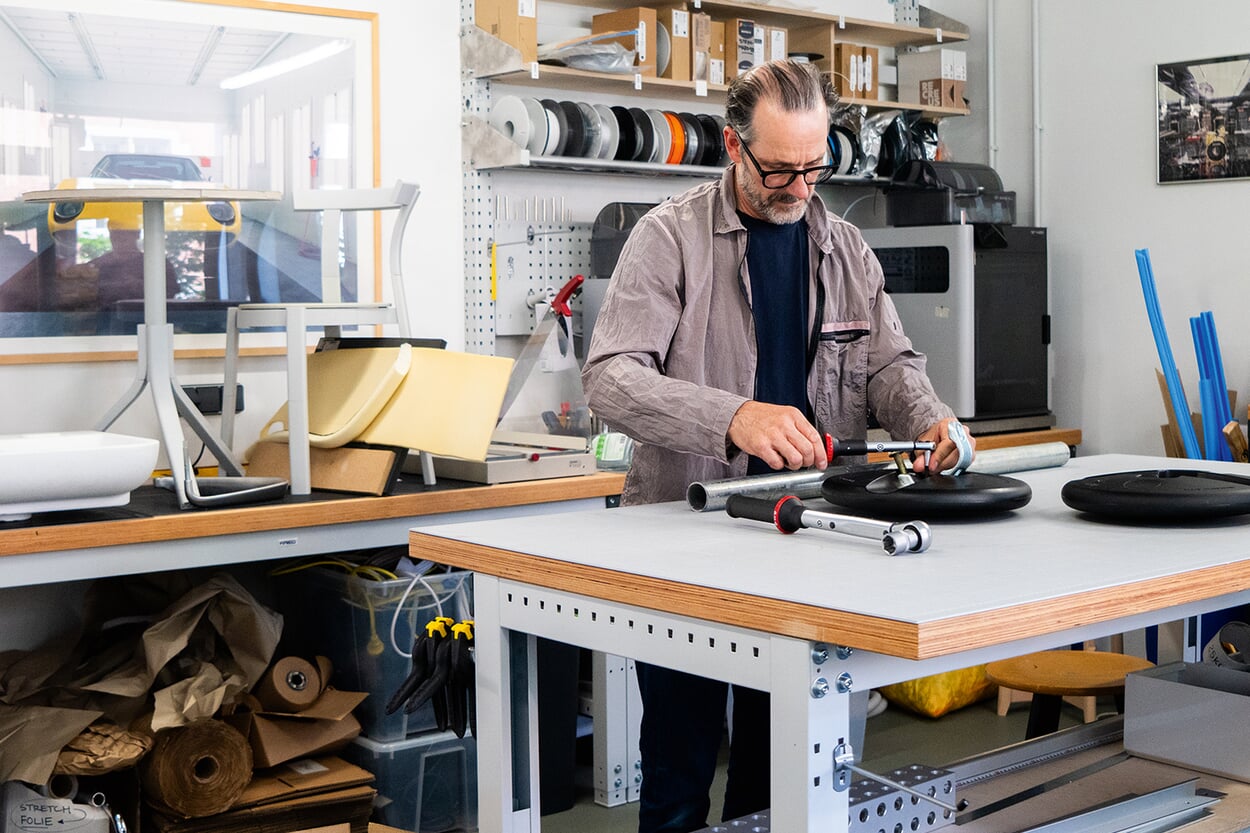
Originally, the 25kg products were available exclusively through our own online store. Now they’re also part of the MAGAZIN product lineup. Why?
MAGAZIN has always been a benchmark for me: as a store, with its product lineup, its selection, and its approach to things. It was a stroke of luck that MAGAZIN reached out to us with the proposal to include 25kg in their product lineup. This gives us yet another platform and also lends us credibility. I’m thrilled about it and am learning a lot of new things: cost calculations, contracts, product specifications. To become a supplier, you first have to qualify.
Speaking of approach—what connects 25kg to MAGAZIN?
MAGAZIN stands for industrially manufactured products. It’s less about the surface aesthetics of rivets or screws and more about honest materials, visible processes, and solutions that arise from technology—solutions that, in their logic and intelligence, we perceive as beautiful and practical. Function, minimalism, economy—doing a lot with a little. At MAGAZIN, they have an eye for these things.
What can industry do that only industry can do?
For me as a designer, industry offers the opportunity to work within a process that allows for mistakes. The process gives you time—from the initial idea through early models and prototypes—to simplify things, optimize them, and let them evolve. In the trades, that’s not so easy; in my carpentry apprenticeship, they used to say, “A craftsman gets it right the first time.” I was never able to do that. I found my calling in industry. Industry can mass-produce things and make them widely available—twenty years ago, people would have said it democratizes them. People might laugh at that today, but when I was in college, it was an ideal. I find it fascinating: a machine that churns out things every second, already finished and always identical. For me, that still
brings a sense of joy.
Konstantin Grcic

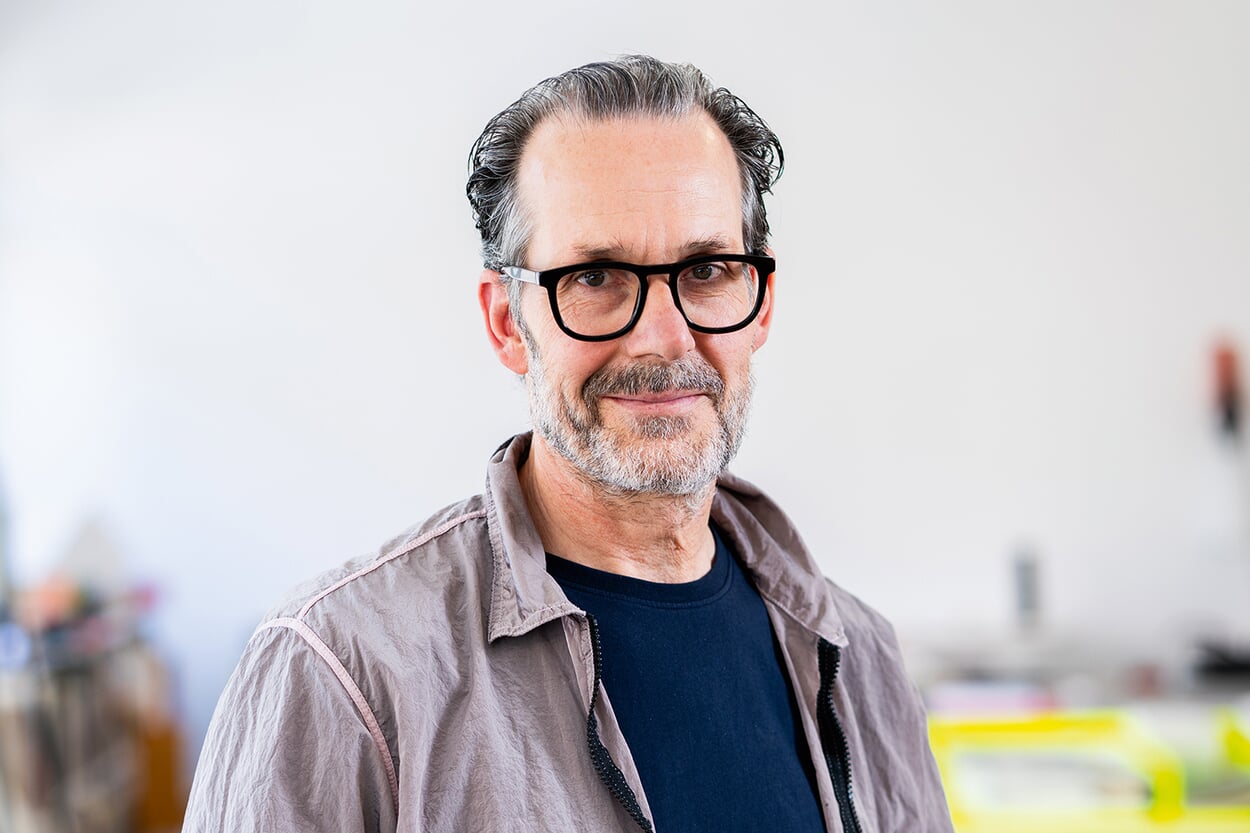
After completing an apprenticeship as a cabinetmaker in Dorset, UK, and studying at the Royal College of Art in London, Konstantin Grcic founded his studio in Munich in 1991. Today he lives and works in Berlin. His clients in the furniture and lighting industries include Vitra, Mattiazzi, Flos, and Magis. Grcic also curates and designs exhibitions, for example for the Vitra Design Museum and the Triennale Design Museum in Milan.
Products by Konstantin Grcic

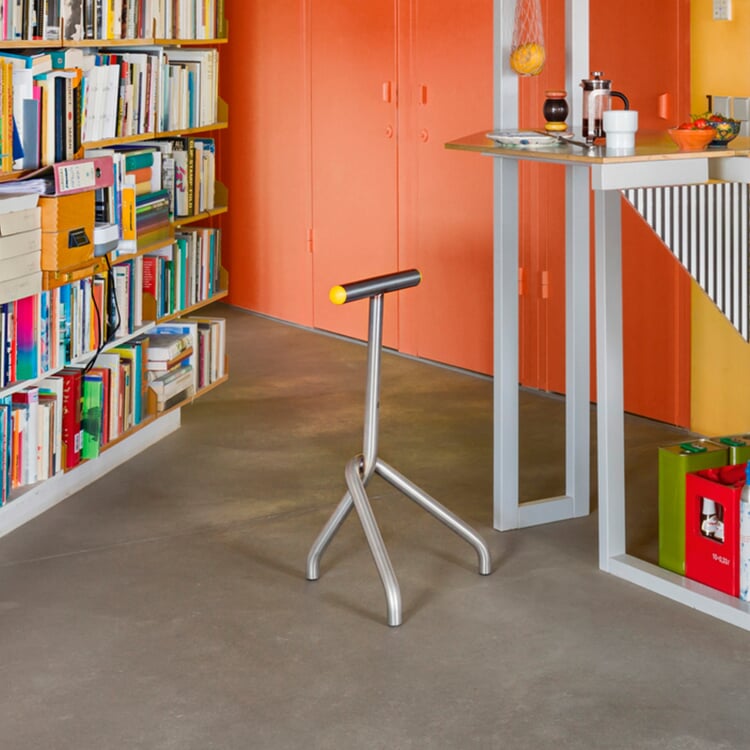
Standing stool THING_01
Available exclusively from Grcic and at MAGAZIN. THING_01 is a three-legged stainless steel stool. You sit or lean on THING_01 just as you would intuitively sit on a railing: on a horizontal tube, with your feet resting on two of the legs.

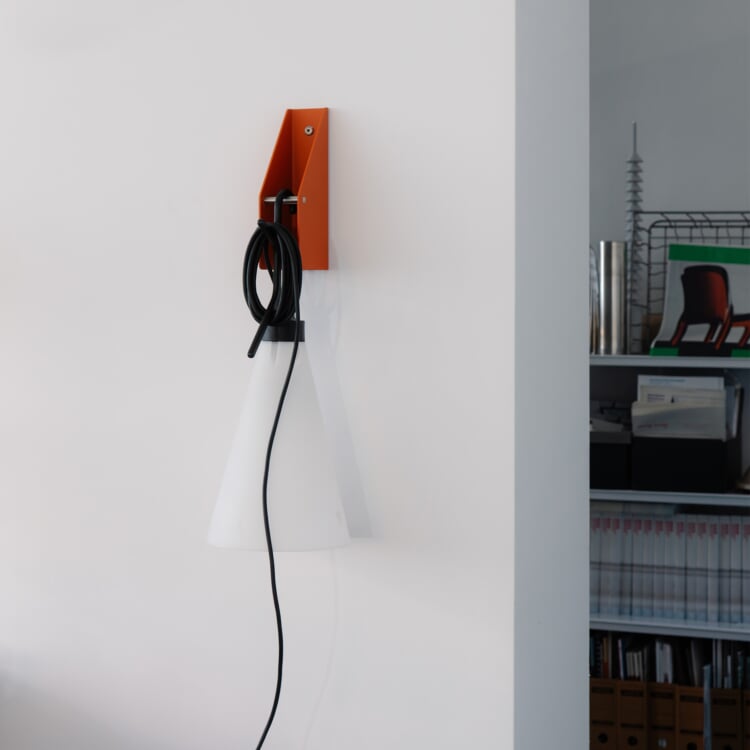
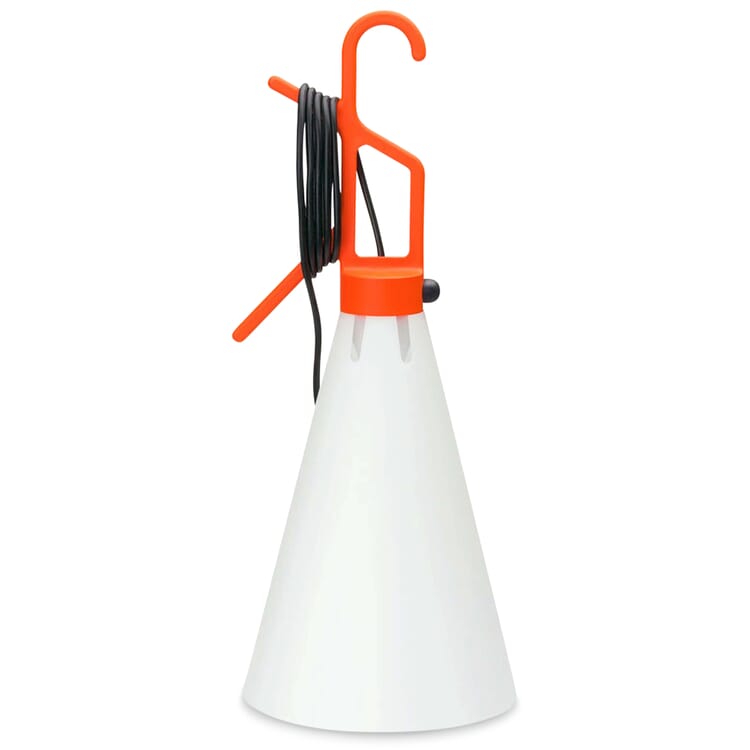
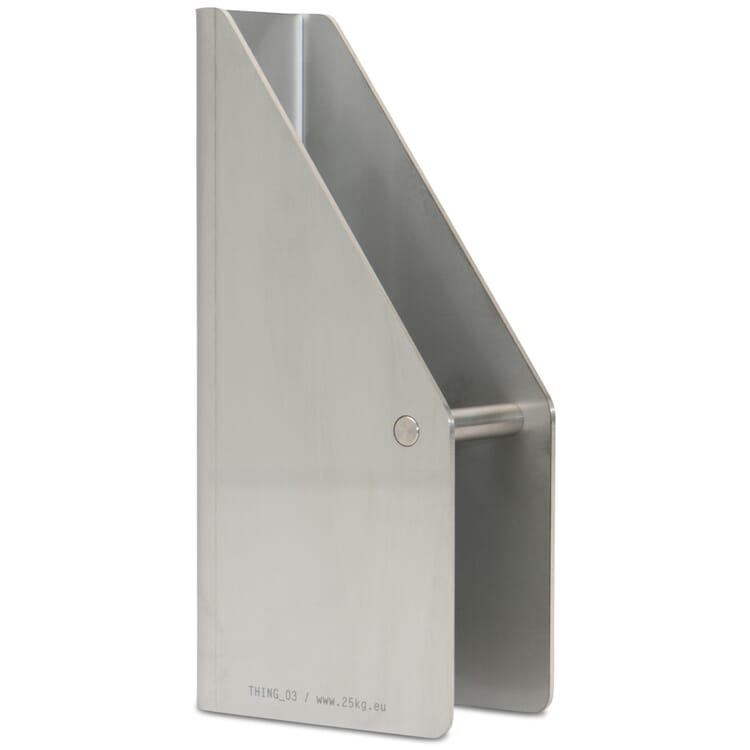
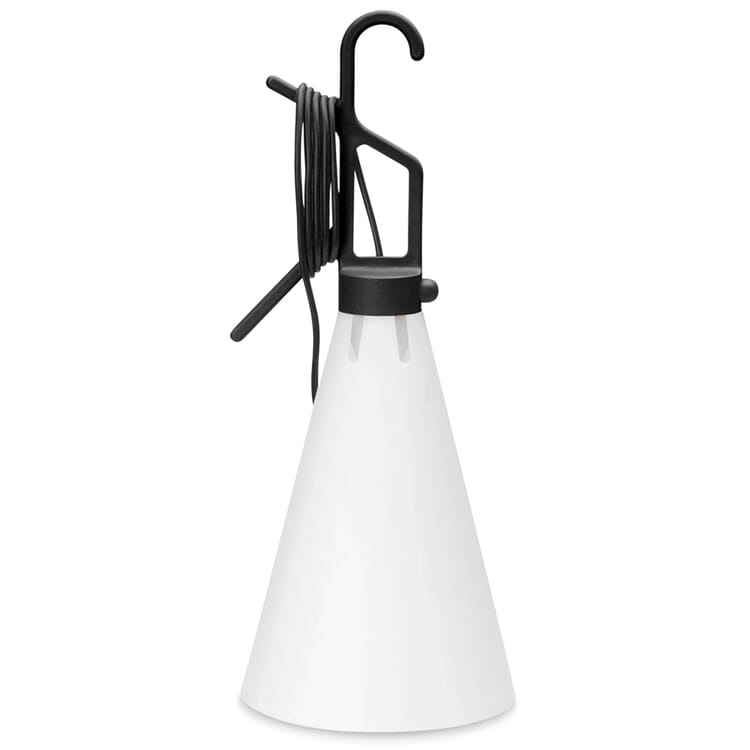
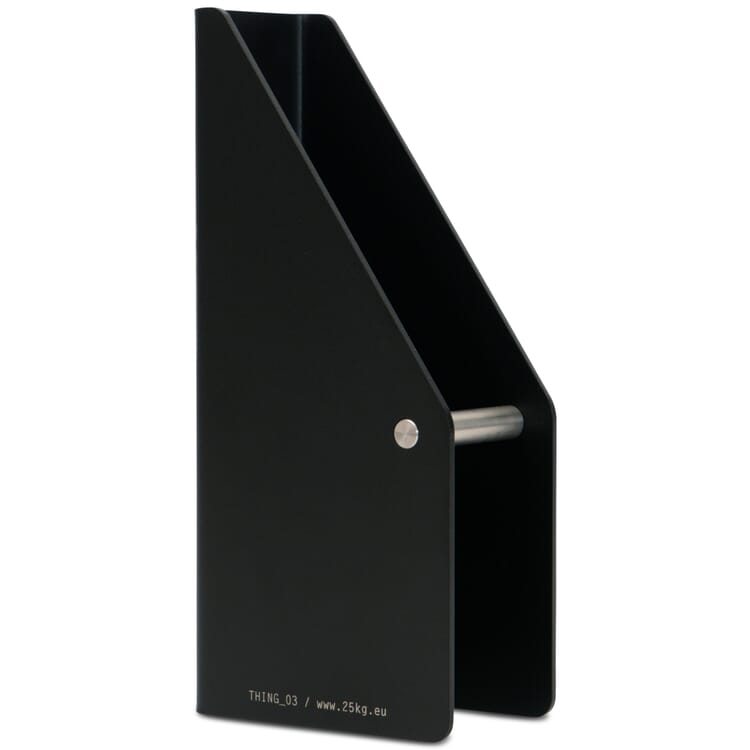
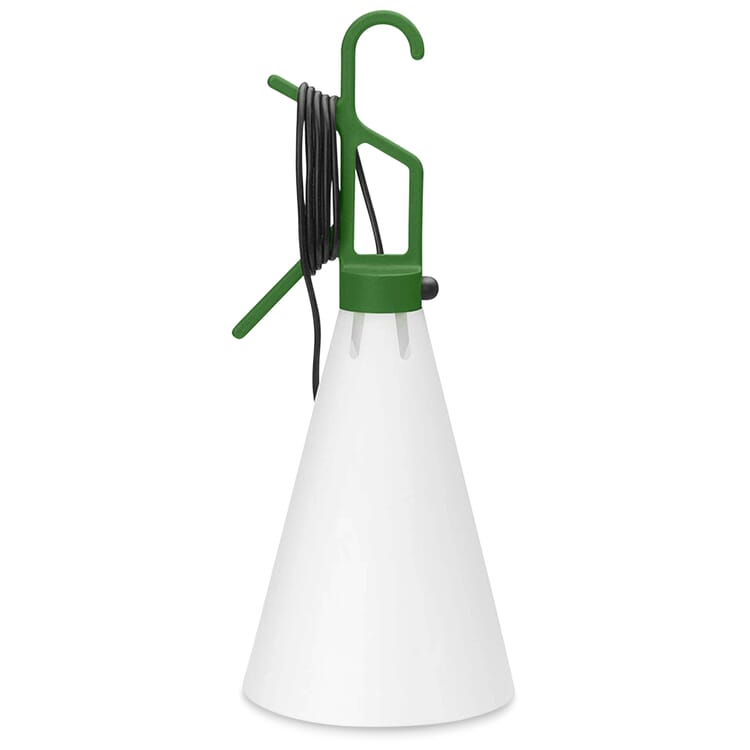
For Grcic’s iconic MAYDAY lamp. The wall mount is made of stainless steel, making it exceptionally durable and providing the lamp with its rightful place both indoors and outdoors. Pleasantly simple and unpretentious.






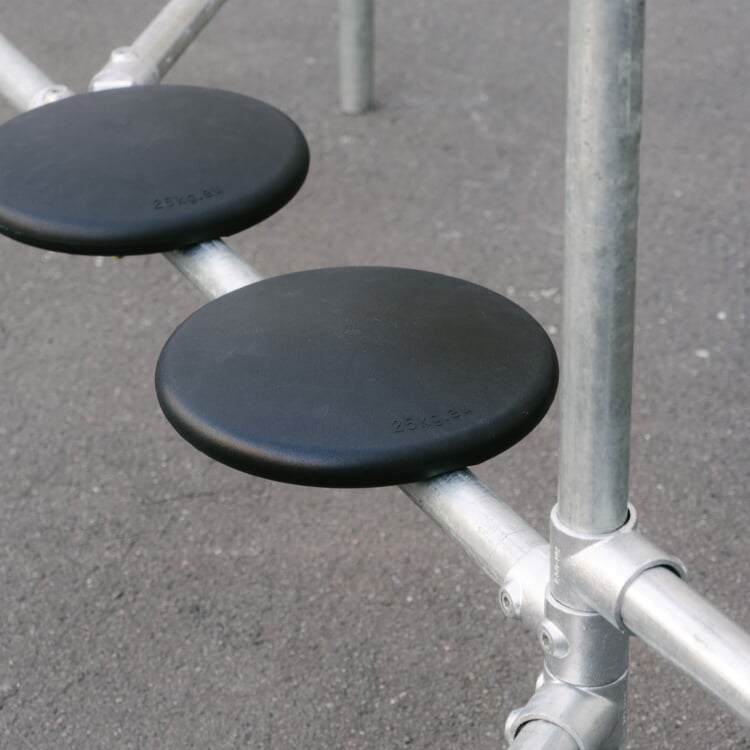
Seat THING_04"
The rotation-molded seat, made from 100% recycled polypropylene, can be mounted on all standard scaffolding poles using the scaffolding coupler attached to the underside. Simple and straightforward.






Read more
Reusing and upgrading old light fixtures: Interior designer Sabine De Schutter is an expert in circular lighting. In this interview, De Schutter talks about cheap, poorly made products and why true sustainability goes far beyond energy efficiency.
Buildings as raw material warehouses and furniture for rent: Thinking about architecture and design within the context of the circular economy leads to new, unconventional solutions. The question remains whether circular design is also economically viable in the long term—and aesthetically compelling.
From a craft workshop to an industrial enterprise: Julius vom Hofe, based in Lüdenscheid, manufactures sheet-steel storage systems that reflect the high standards of the company’s origins as an artistic blacksmith’s shop.